



As a vital supplement to the modern medical service system, home healthcare, with its core characteristics of convenience, personalization, and prevention, is reshaping the global health management model. This family-based, needs-driven healthcare model not only alleviates pressure on public medical resources but also improves the health of the population through services that are relevant to daily life.
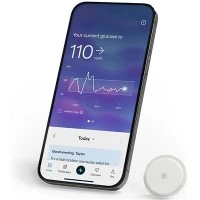
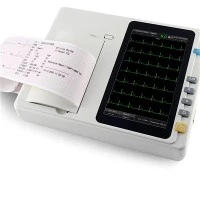
Convenience and accessibility are the primary characteristics of home healthcare. Through home visits, remote monitoring, and home-based diagnosis and treatment, patients can receive basic medical support without frequent trips to medical institutions. Especially for patients with chronic diseases, the elderly, and those with limited mobility, extended services such as home beds and infusion care significantly reduce the time and physical effort required for medical care. The integration of digital technology further breaks down the constraints of time and space. Smart wearable devices and online consultation platforms enable real-time health monitoring.
Personalized services embody the humanistic care of home healthcare. Compared to standardized hospital treatment, home healthcare programs prioritize individual differences. Medical staff develop tailored nutrition plans, rehabilitation training, or medication guidance based on a family member's health history, lifestyle, and environmental factors. For example, home visits for pregnant and postpartum women include a comprehensive assessment of their psychological state and nutritional intake, while chronic disease management for the elderly requires the coordination of a multidisciplinary team to customize long-term care strategies.
The principle of prevention is central to the entire family healthcare process. Through regular health assessments, vaccination reminders, and disease risk screenings, family doctors can intervene in potential health issues before symptoms appear. This "preventive treatment" approach not only reduces the incidence of acute illnesses but also lowers overall medical expenses. Research shows that a well-developed family healthcare system can reduce the incidence of chronic disease complications by over 30%.
Against the backdrop of an aging population and the rising prevalence of chronic diseases, family healthcare is shifting from a supporting role to a core component of health management. Its patient-centered service model is both an effective extension of traditional medical care and a key cornerstone of a tiered diagnosis and treatment system. In the future, with technological advancements and improved policies, family healthcare will further unleash its potential to improve quality of life.