

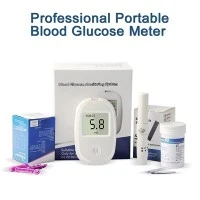

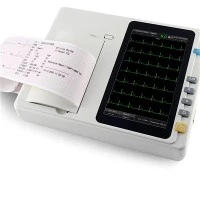
With the accelerating aging of the global population, the increasing burden of chronic diseases, and rising health awareness, the home healthcare industry is gradually becoming a vital component of the modern healthcare system. This industry, based on the family unit, uses specialized medical equipment, remote monitoring technology, and personalized health management services to provide patients with convenient, continuous medical care. This effectively alleviates the resource constraints of traditional medical institutions while improving overall medical efficiency and patient quality of life.
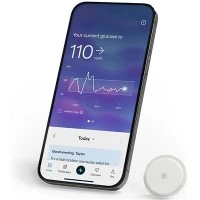
From an industry perspective, the rise of home healthcare stems from multiple societal changes. First, the significant global aging trend has led to a surge in demand for long-term care and chronic disease management among the elderly, while limited hospital beds and resources struggle to meet the needs of this large population. Second, chronic diseases such as diabetes and hypertension have become major global health threats, often requiring long-term monitoring and intervention. Using telemedicine technology and wearable devices, home healthcare can help patients track their health indicators in real time and reduce the risk of acute episodes. Furthermore, in the post-pandemic era, people are increasingly accepting of contactless healthcare services, further highlighting the convenience and safety of home healthcare.
The significance of home healthcare extends beyond medical care; it also holds far-reaching social and economic value. For patients, home healthcare reduces the burden of frequent doctor visits, reduces the risk of cross-infection, and improves treatment compliance through personalized health management plans. For the healthcare system, this industry can divert patients with mild symptoms or those in recovery, optimize medical resource allocation, and alleviate pressure on hospitals. From an economic perspective, the home healthcare industry has driven the development of smart medical devices, telemedicine platforms, and health management services, creating numerous jobs and becoming a new engine of economic growth.
In short, the home healthcare industry aligns with the global trend of shifting healthcare from a disease-centric to a health-centric model. In the future, with technological innovation and policy support, this industry will further promote universal and targeted healthcare services, providing key support for building an efficient and sustainable healthcare system.