


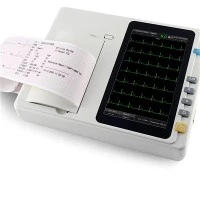
In the modern healthcare system, home healthcare is increasingly becoming a key health management model. Compared to traditional hospital visits, home healthcare offers advantages such as convenience, personalization, and continuity, providing patients with health services more tailored to their needs. It demonstrates significant value in areas such as chronic disease management, postoperative rehabilitation, and elderly care.
First, the greatest advantage of home healthcare lies in its convenience and comfort. Patients no longer need to frequently travel to the hospital, receiving professional medical care in the familiar environment of their home. This reduces travel fatigue and the risk of hospital-acquired infections. For elderly individuals with limited mobility or those undergoing surgery, home visits by medical staff significantly improve access to healthcare, ensuring they receive necessary care in a timely manner.
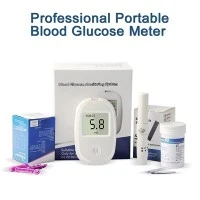
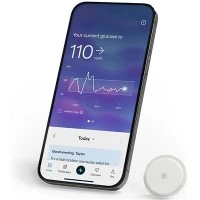
Second, home healthcare provides personalized health management plans. Family doctors or caregivers can develop targeted treatment and rehabilitation plans tailored to the patient's specific condition, lifestyle, and home environment. For example, chronic patients can adjust their medication regimens through regular home visits, while pregnant women and infants can receive professional health monitoring and guidance at home. This one-on-one service model is more precise and efficient than standard outpatient clinics. Furthermore, home healthcare emphasizes the continuity of medical services. By tracking patients' health data over time, healthcare professionals can dynamically assess changes in their condition and promptly intervene in potential risks. For example, diabetic patients can monitor their blood sugar at home using smart devices, while their family doctors remotely analyze the data and adjust treatment strategies, thereby reducing the occurrence of acute complications. This continuous monitoring not only improves treatment outcomes but also strengthens patients' sense of control over their own health.
Finally, home healthcare can also reduce the burden on the healthcare system and optimize resource allocation. By diverting some basic medical needs to the home setting, hospitals can focus on acute and critical care, improving overall medical efficiency.
In summary, home healthcare, through its convenient, personalized, and continuous service model, not only enhances the patient experience but also provides an important supplement to building an efficient and humane healthcare system. With technological advancements and policy support, this model is expected to benefit even more people in the future and become a key component of the Healthy China strategy.