
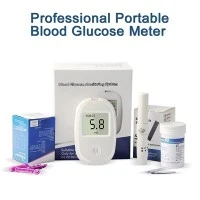


As an essential component of modern medicine, the development of in vitro diagnostics (IVDs) dates back to the early 20th century. Early diagnostic methods primarily relied on microscopic observation and simple chemical tests, such as blood glucose test strips and urinalysis, providing the foundation for clinical diagnosis. In the mid-20th century, advances in immunology and biochemistry led to the emergence of techniques such as the enzyme-linked immunosorbent assay (ELISA), significantly improving the sensitivity and specificity of tests and driving the development of IVD towards greater precision.
From the 1970s to the 1990s, breakthroughs in molecular biology revolutionized IVD. The invention of polymerase chain reaction (PCR) technology enabled pathogen detection and genetic disease screening, greatly expanding the application of IVD. Simultaneously, the widespread use of automated analyzers significantly improved testing efficiency, meeting clinical demands for rapid, high-throughput testing. During this period, IVD products gradually moved from the laboratory to the clinical setting, becoming a crucial basis for medical decision-making.
In the 21st century, IVD technology further evolved towards miniaturization, personalization, and point-of-care (POCT) testing. The application of microfluidic chips, biosensors, and artificial intelligence algorithms has made testing more convenient and accurate, enabling rapid, point-of-care diagnosis. The global in vitro diagnostics market continues to grow, with particularly strong demand in infectious disease monitoring, chronic disease management, and personalized medicine.
In international trade, the distribution of in vitro diagnostic products has facilitated the optimal allocation of global medical resources. Developed countries, leveraging their technological advantages, have dominated the high-end market, while emerging economies are gradually expanding their market share through cost advantages and localized production. In the future, with the rise of precision medicine and digital health, in vitro diagnostics will continue to play a key role in the global healthcare system, driving international trade and technological cooperation to new heights.