
Recent years have seen significant progress in in vitro diagnostics (IVDs), revolutionizing global medical testing technology. With the deep integration of biotechnology, nanotechnology, and artificial intelligence, IVDs have achieved breakthroughs in sensitivity, accuracy, and speed, providing strong support for early disease screening, precision medicine, and public health management.
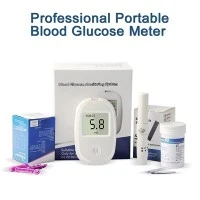
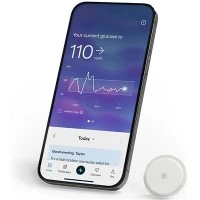
Advances in molecular diagnostics are particularly noteworthy. Optimizations in next-generation sequencing (NGS) and polymerase chain reaction (PCR) technologies have made pathogen detection, genetic disease screening, and tumor companion diagnostics more efficient. For example, the application of digital PCR has significantly improved the detection of low-abundance nucleic acids, providing more reliable data support for early cancer diagnosis. Furthermore, the maturity of microfluidic chip technology has driven the miniaturization and portability of point-of-care (POCT) devices, enabling self-testing in primary healthcare settings and at home.
The field of immunodiagnostics is also developing rapidly. The widespread use of chemiluminescence immunoassay (CLIA) technology has improved sensitivity and specificity, particularly in the diagnosis of infectious diseases and autoimmune diseases. Furthermore, the integration of AI and big data analytics is transforming traditional diagnostic models, optimizing the interpretation of test results through machine learning algorithms and improving clinical decision-making efficiency. Globally, innovations in in vitro diagnostics (IVDs) not only meet growing medical needs but also provide critical tools for responding to public health emergencies. In the future, with further technological breakthroughs, IVDs will play a more important role in personalized medicine, telemedicine, and global health monitoring, propelling the medical testing industry to new heights.