

In vitro diagnostic technology is highly specialized, precise, and diverse. Its core advantage lies in its ability to rapidly and accurately obtain disease-related information under non-invasive or minimally invasive conditions. The following are the main technical characteristics of in vitro diagnostics:
1. High Sensitivity and Specificity
In vitro diagnostics are typically capable of detecting extremely low concentrations of biomarkers. For example, the polymerase chain reaction (PCR) in molecular diagnostics can detect single nucleic acid molecules, and chemiluminescence in immunodiagnostics can identify extremely small amounts of antigens or antibodies. This high sensitivity and specificity makes in vitro diagnostics valuable in early disease screening (such as cancer marker detection) and infectious disease diagnosis (such as COVID-19 nucleic acid testing).
2. Automation and Intelligence
Modern in vitro diagnostic equipment generally utilizes automation technology, enabling full automation of the entire process from sample processing, testing, and data analysis, reducing human error and improving testing efficiency. Furthermore, the introduction of artificial intelligence (AI) and big data technologies has enabled in vitro diagnostic equipment to perform intelligent data analysis, such as using machine learning algorithms to optimize the interpretation of test results and enhance diagnostic accuracy and reliability.
3. Diverse Testing Methods
IVD encompasses a variety of technical approaches, including:
•Biochemical Diagnosis: Based on enzymatic reactions or colorimetric methods, it detects metabolic markers such as blood glucose, blood lipids, and liver function.
•Immunodiagnosis: Utilizing antigen-antibody binding reactions, such as enzyme-linked immunosorbent assay (ELISA) and chemiluminescent immunoassay (CLIA), it is used for detecting infectious diseases and tumor markers.
•Molecular Diagnosis: Based on DNA/RNA analysis, such as PCR and gene sequencing, it is used for genetic disease screening and pathogen nucleic acid detection.
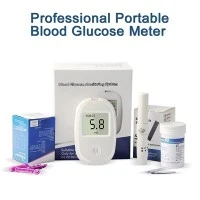
•Point-of-Care Testing (POCT): Portable devices can complete testing in minutes and are suitable for primary care and home self-testing, such as blood glucose meters and COVID-19 antigen test kits.
4. Speed and Convenience
One of the development trends in IVD technology is the increase in testing speed. For example, point-of-care testing (POCT) can provide results within minutes and is suitable for emergency departments, primary care, and public health emergencies (such as infectious disease outbreaks). Furthermore, some in vitro diagnostic reagents (such as dry chemical test strips) are simple to use and do not require a specialized laboratory environment, further increasing the accessibility of testing.
5. Standardization and Regulation
The in vitro diagnostic industry is subject to strict regulation. Testing methods, reagents, and instruments must comply with international and national standards (such as ISO 13485, FDA certification, and China NMPA registration) to ensure the reliability and comparability of test results. Standardized processes facilitate data interoperability between laboratories and promote the implementation of precision medicine.
Conclusion
As a key supporting technology in modern medicine, in vitro diagnostics (IVDs) play an irreplaceable role in disease prevention, diagnosis, and treatment, thanks to their high sensitivity, automation, and diverse testing methods. With advances in biotechnology, artificial intelligence, and nanotechnology, IVDs are developing towards greater accuracy, speed, and intelligence, and will play an even greater role in personalized medicine, remote diagnosis, and global public health.