

With the development of precision medicine and personalized treatments, in vitro diagnostic technology continues to advance, and corresponding solutions are becoming increasingly sophisticated.The following are key solutions in the in vitro diagnostic field:
1. Automated and Intelligent Testing Solutions
Traditional in vitro diagnostics rely on manual operations, resulting in low efficiency and susceptible to human error. Modern IVD solutions utilize automated instruments and intelligent software to optimize the entire process from sample processing, testing and analysis, to data interpretation. For example, fully automated biochemical analyzers and chemiluminescence immunoassay systems significantly improve testing speed and accuracy while reducing human error. Furthermore, the application of artificial intelligence (AI) and big data technologies enables intelligent analysis of test data and aided diagnosis, further enhancing the efficiency of clinical decision-making.
2. Point-of-Care Testing (POCT) Solutions
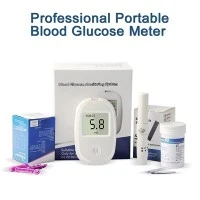
Point-of-Care testing (POCT) refers to rapid diagnostic tests performed at the patient's location, typically providing results within minutes. POCT solutions are suitable for use in emergency departments, primary care settings, and home healthcare management settings, offering rapid testing, ease of use, and portability. Common point-of-care (POCT) testing includes blood glucose monitoring, blood gas analysis, and infectious disease screening (such as COVID-19 antigen testing). The core of this solution lies in miniaturized, integrated testing equipment and accompanying rapid testing reagents, which can meet the needs of point-of-care diagnosis in various medical settings.
3. Molecular Diagnostics and Precision Medicine Solutions
Molecular diagnostics is a key development direction in in vitro diagnostics. Primarily based on molecular-level testing of DNA, RNA, or proteins, it is used for genetic disease screening, companion diagnostics for tumors, and infectious disease testing. For example, technologies such as polymerase chain reaction (PCR), next-generation sequencing (NGS), and fluorescence in situ hybridization (FISH) can accurately identify pathogens or gene mutations, providing a scientific basis for personalized treatment. Molecular diagnostic solutions typically combine high-throughput sequencing platforms, bioinformatics analysis tools, and clinical databases to enable comprehensive management of the entire process from testing to clinical interpretation.
4. Multi-omics Integrated Diagnostic Solutions
With the advancement of biotechnology, single-target testing is no longer sufficient to diagnose complex diseases. Multi-omics integrated diagnostic solutions combine multidimensional data from genomics, transcriptomics, proteomics, and metabolomics to provide a more comprehensive disease analysis. For example, in tumor diagnosis, analyzing tumor gene mutation profiles, protein expression levels, and metabolic signatures can lead to more precise treatment plans. This approach, which relies on high-throughput detection technologies and multidimensional data analysis algorithms, is a key trend in future in vitro diagnostics.
5. Remote Diagnosis and Digital Solutions
Driven by digital healthcare, in vitro diagnostics are increasingly integrating with telemedicine, cloud computing, and the Internet of Things (IoT) to form remote diagnostic solutions. For example, smart testing devices collect data and upload it to the cloud, allowing doctors to remotely review test results and make diagnoses. Furthermore, blockchain technology can be used to ensure the security and traceability of test data, while cloud platforms support the storage and analysis of large-scale test data. This solution is particularly suitable for remote areas with limited medical resources, improving access to healthcare services.
Conclusion
As a key pillar of modern medicine, in vitro diagnostics (IVD) encompasses the entire process from sample testing to clinical information interpretation. With continuous technological advancements, IVD solutions are evolving towards automation, intelligence, precision, and digitization. In the future, IVD technology will further promote precision medicine, personalized treatment, and the optimization of public health management, making greater contributions to global healthcare.