





In recent years, with the continued growth of global healthcare demand, imaging technology, as a core tool for disease diagnosis and treatment, has played an increasingly important role in international trade. As a key player in the global medical device supply chain, China's innovative breakthroughs in imaging technology are driving the foreign trade industry towards high-value-added sectors.
In the medical imaging sector, digitalization and intelligence are becoming increasingly prominent. For example, new-generation products using AI algorithms optimize imaging accuracy, significantly shortening diagnosis time while reducing radiation dose. This technological advantage has become a core competitive advantage in foreign trade exports. Chinese manufacturers have successfully penetrated European, American, and emerging markets through localized adaptation services, such as multilingual operating systems and remote diagnostic support. In 20XX, the global medical imaging device market exceeded US$40 billion, with Asia-Pacific achieving a 7.2% growth rate, demonstrating the role of technological innovation in driving trade growth.
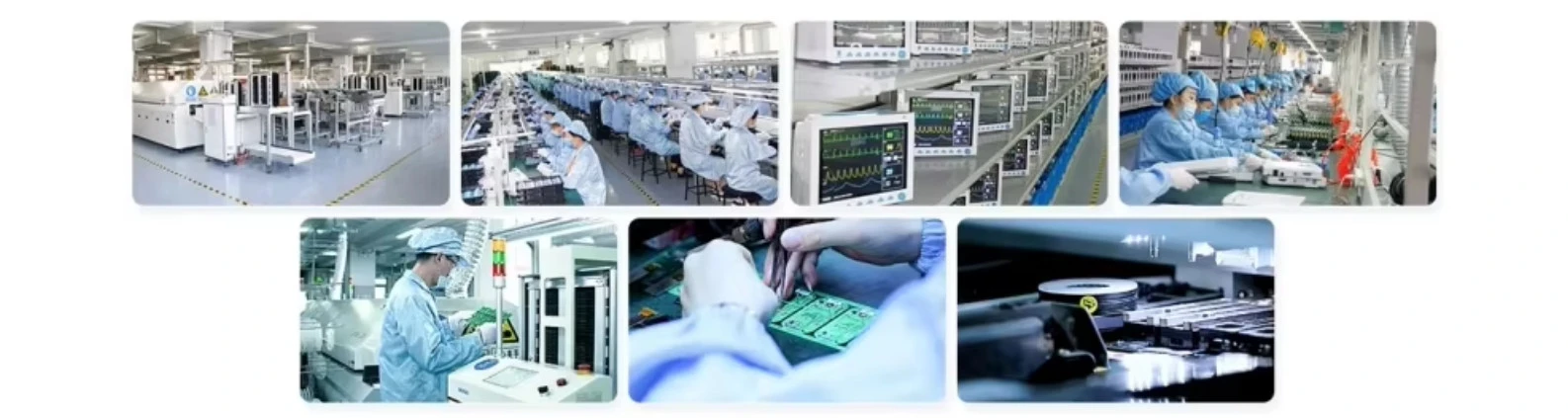
The foreign trade industry needs to pay close attention to regulatory compliance challenges associated with imaging equipment. The EU MDR regulations and US FDA standards place higher demands on device safety and data privacy, prompting Chinese companies to increase R&D investment and achieve ISO 13485 quality management system certification to enhance international trust. A Shenzhen company, through collaborations with overseas medical institutions for clinical trials, has increased its market share of portable ultrasound systems in Southeast Asia to 15% within three years, demonstrating the effectiveness of its technology-based localization strategy.
In the future, the development of international trade in imaging technology will follow two major directions: first, bundling high-end equipment exports with technical services, and second, localized production collaborations in emerging markets. It is recommended that foreign trade companies deepen collaboration with scientific research institutions, focusing on the development of portable, low-cost equipment, while also leveraging cross-border e-commerce channels to shorten supply chain response times. With the recovery of global medical infrastructure investment, Chinese suppliers with core imaging technologies are expected to gain a more proactive position in international trade.