




Imaging is a medical discipline that uses non-invasive techniques to obtain images of the human body's internal structures. Its core focus is on utilizing technologies such as X-rays, ultrasound, magnetic resonance imaging (MRI), and computed tomography (CT) to provide visual evidence for clinical diagnosis, treatment monitoring, and disease research. As a crucial component of modern medicine, imaging not only promotes the development of precision medicine but also plays an increasingly important role in international trade.
From a technical perspective, the definition of imaging encompasses multiple aspects, including equipment development, image processing, data analysis, and clinical interpretation. The development and manufacturing of high-end medical imaging equipment (such as high-field MRI and multi-slice spiral CT) involves precision engineering, materials science, and artificial intelligence algorithms, making it a technology-intensive industry. In recent years, the global imaging equipment market has continued to grow, with companies from countries such as China, Germany, and the United States occupying a significant position in international trade, exporting complete equipment, components, and supporting software systems.
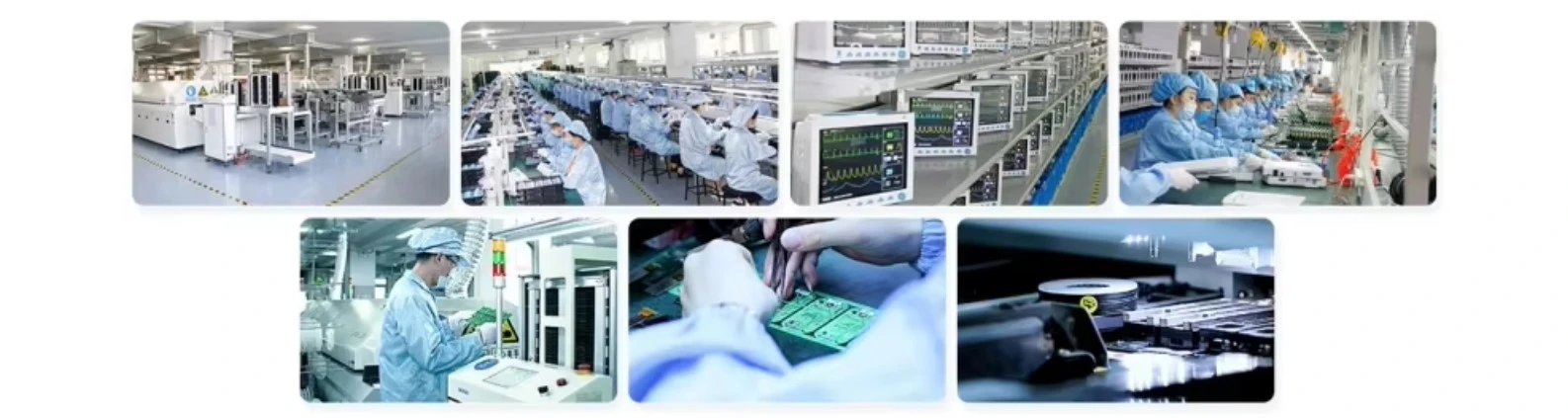
In the foreign trade sector, the trade of imaging-related products is characterized by high added value and technological barriers. On the one hand, developed countries dominate the high-end equipment market with their technological advantages, while developing countries expand their market share in the mid- and low-end markets through cost-effective strategies. Furthermore, with the rise of telemedicine and digital diagnosis, cross-border transmission and analysis of medical imaging data have become an emerging trade area. For example, cloud-based image sharing technology enables collaborative diagnosis among international medical institutions, driving exports of related software and network services.
Furthermore, the standardization and certification systems of imaging technologies (such as FDA and CE certification) directly impact international trade compliance. Companies must be familiar with the regulatory requirements of their target markets to ensure that their equipment's safety and effectiveness meet international standards.
In short, imaging is not only a key driver of medical advancement but also a high-tech sector within the foreign trade industry. With the growth of global medical demand and the acceleration of technological innovation, the prospects for international trade in imaging-related products and services are promising.