




In the global healthcare sector, home healthcare is increasingly becoming a vital supplement to traditional medical services, particularly in Europe, the United States, and emerging markets. Demand for home healthcare is growing significantly due to aging populations and the increasing need for chronic disease management. However, home healthcare differs significantly from the medical services provided by traditional hospitals or clinics. These differences are not only reflected in the service model but also profoundly impact global medical resource allocation and foreign trade cooperation.
Service Scenario and Accessibility
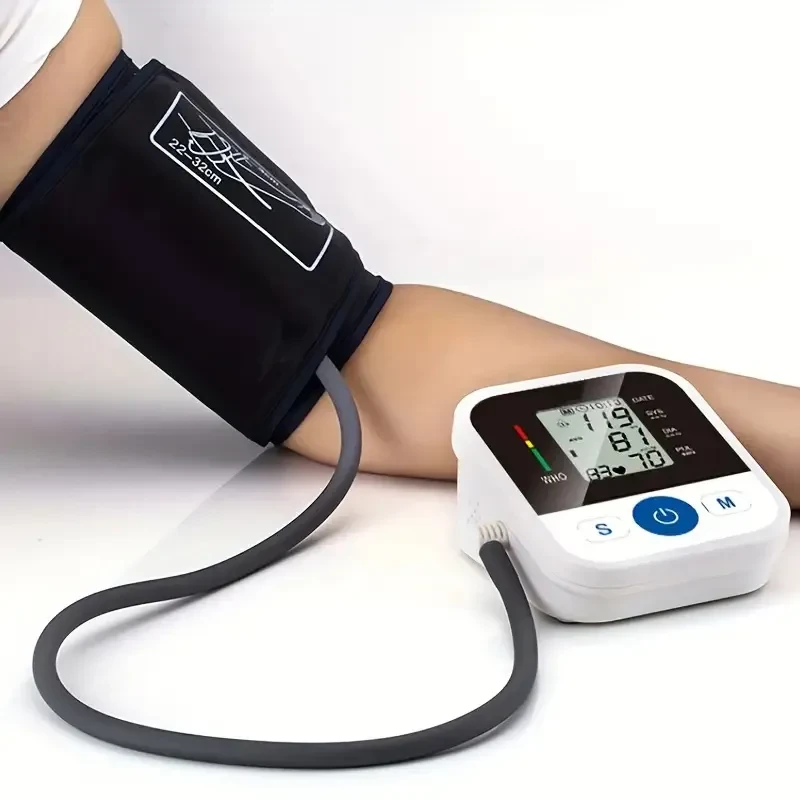
The core advantage of home healthcare lies in extending medical services to the patient's home. Through home visits by nurses, remote monitoring devices, or regular visits by rehabilitation therapists, it provides personalized support for patients with limited mobility or those requiring long-term care. In contrast, traditional medical services rely on centralized medical institutions, requiring patients to travel to hospitals or clinics for diagnosis and treatment, which poses significant obstacles for those in remote areas or with limited mobility. Consequently, export demand for home healthcare equipment (such as portable blood pressure monitors and remote monitoring devices) continues to grow, particularly in North America and Europe.
Cost Structure and Efficiency
Home healthcare generally reduces overall medical expenses. Research shows that home care can reduce unnecessary hospitalization costs and lower the risk of complications through preventive interventions. However, the high fixed costs of traditional healthcare services (such as large equipment maintenance and emergency room operations) often increase patient burdens. For foreign trade companies, this difference means that home healthcare solutions are more price-competitive in developing markets and align with the global trend of cost reduction and efficiency improvement in healthcare systems.
Technology-Driven and Personalized Services
Home healthcare relies heavily on digital tools, such as AI health monitoring, electronic medical record sharing, and remote consultation platforms, to enable real-time data tracking and medical resource scheduling. While traditional healthcare has gradually incorporated technology, it is limited by standardized in-hospital processes and has a low level of personalization. Foreign trade practitioners should pay attention to this trend and promote the coordinated development of smart medical devices and cross-border data compliance services to meet the international market's demand for efficient and precise home healthcare.
In summary, the difference between home healthcare and traditional medical services is essentially a shift in the healthcare model from centralized treatment to distributed health management. This transformation provides new growth opportunities for the global foreign trade industry, particularly in the areas of equipment supply, technology export, and alignment of service standards.