



Hospital patient care is an essential and core component of the healthcare system. Its importance lies not only in directly maintaining patients' physical health but also in encompassing psychological support, disease prevention, and the optimization of medical resources. High-quality nursing care can significantly improve treatment outcomes, reduce the risk of complications, and lay a solid foundation for patients' overall recovery.
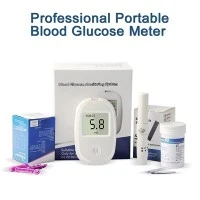
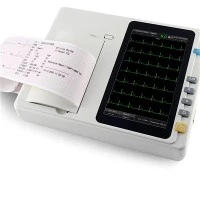
From a physiological perspective, professional nursing staff ensure the precise implementation of treatment plans by closely monitoring patients' vital signs, executing medical orders, managing medications, and providing wound care. For example, in postoperative care, timely identification of signs of infection or abnormal bleeding and the implementation of interventions can often save patients' lives. Furthermore, long-term care for patients with chronic conditions, such as blood sugar monitoring and dietary guidance for diabetic patients, can effectively slow disease progression and improve quality of life.
Psychological support is also a key component of patient care. The anxiety, loneliness, and fear associated with illness can slow recovery, but the care and communication provided by nursing staff can significantly alleviate patients' negative emotions. Research has shown that a positive nurse-patient relationship enhances patient adherence to treatment and encourages more active participation in rehabilitation plans. Especially for terminally ill patients, compassionate care can alleviate their physical and mental suffering, embodying the humanistic value of healthcare.
Patient care also plays a crucial role in preventing disease progression and cross-infection. Through strict disinfection and isolation measures, health education, and early risk screening, nursing teams can disrupt infection chains and protect the safety of patients and medical staff. Furthermore, nursing guidance for family members can extend medical services to the home environment, reducing readmission rates after discharge.
In today's world of scarce medical resources, efficient nursing management can optimize resource allocation. For example, through a tiered nursing system, human resources can be rationally allocated to ensure that critically ill patients receive priority attention. In summary, patient care is not only an extension of medical technology but also the cornerstone of medical quality. Its value lies in safeguarding patients' life dignity and health rights through scientific and compassionate service.