

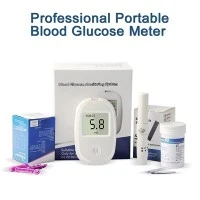


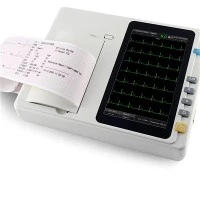
Hospital patient care is a core component of the healthcare system, requiring both professional medical knowledge and skills and meticulous attention to the patient's physical and mental needs. Its goal is to promote patient recovery and enhance the treatment experience through scientific and systematic care, while also maintaining their dignity and quality of life.
Professional Nursing: A Guarantee of Technology and Safety
Nursing work is grounded in evidence-based medicine and encompasses basic vital sign monitoring (such as temperature, blood pressure, and heart rate), medication management, wound care, and postoperative rehabilitation guidance. Nurses must master techniques such as aseptic technique, venipuncture, and emergency care to ensure precise treatment delivery. For example, in intensive care, nurses closely monitor changes in patient organ function and coordinate with physicians to adjust treatment plans. In chronic disease management, health education helps patients develop self-monitoring habits. Furthermore, details such as infection control and medication safety directly impact patient outcomes, requiring the nursing team to possess a high sense of responsibility and standardized operational capabilities.
Humanistic Care: A Dimension of Treatment Beyond Technology
Modern nursing emphasizes a patient-centered approach. Faced with the anxiety and loneliness brought on by illness, nurses need to alleviate patients' psychological stress through communication, for example, by explaining treatment plans in plain language and actively listening to their concerns. Nursing for the elderly, children, or critically ill patients also requires addressing specific needs: providing services like turning over to prevent pressure ulcers for disabled elderly individuals, designing gamified treatment processes for children, or alleviating the emotional distress of terminally ill patients through hospice care. This "whole-person care" approach, combining physical therapy with emotional support, significantly improves patient satisfaction and treatment compliance.
Teamwork and Continuous Optimization
Nursing work is not isolated; it collaborates closely with a multidisciplinary team, including physicians, pharmacists, and rehabilitation therapists. Through regular case discussions and nursing rounds, the team can dynamically adjust care plans. Furthermore, with the development of smart healthcare, the use of electronic medical records and remote monitoring equipment is driving nursing care towards greater precision and efficiency.
Hospital patient care is a fusion of science and art. Only with professional expertise as a foundation and empathy as a bond can we truly achieve the dual mission of "curing illness" and "healing the soul," paving a warm path to health for patients.