


Diabetes, as a chronic metabolic disease, focuses on achieving blood sugar stability and delaying the development of complications through scientific interventions. Effective care measures not only improve patients' quality of life but also significantly reduce their medical burden.
Dietary regulation is fundamental. A low glycemic index (GI) diet is recommended, prioritizing whole grains, legumes, and non-starchy vegetables, while avoiding refined sugars and high-fat foods. Adequate dietary fiber intake (25-30 grams daily) can slow sugar absorption, and high-quality protein (such as fish, poultry, and soy products) helps maintain satiety and lean muscle mass. A personalized nutrition plan is essential, and consultation with a registered dietitian is recommended if necessary.
Regular exercise is essential. 150 minutes of moderate-intensity aerobic exercise (such as brisk walking and swimming) combined with resistance training per week can improve insulin sensitivity. Monitor blood sugar levels before and after exercise to prevent the risk of hypoglycemia, and take care to protect your feet to avoid complications of diabetic foot.
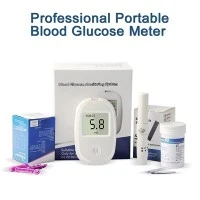
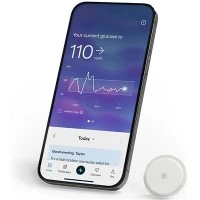
Blood sugar monitoring and medication management are key components. Home blood glucose meters can help patients monitor their data in real time and adjust their diet and exercise plans. When taking glucose-lowering medications or insulin as prescribed by your doctor, strictly adhere to the prescribed schedule and dosage, and be alert to symptoms of hypoglycemia (such as tremors and sweating).
Comprehensive health habits are equally important. Quitting smoking and limiting alcohol, getting 7-8 hours of sleep, and managing stress (such as through mindfulness meditation) can all help control blood sugar. Annual screenings for fundus function, renal function, and neuropathy are recommended to detect abnormalities early.
Diabetes care is a lifelong, systematic process. Through multifaceted self-management, patients can achieve harmonious coexistence with the disease and maintain long-term health.